Acute or emergency ophthalmology
Age-related macular degeneration – Dry and Wet
What is age-related macular degeneration (AMD)?
AMD is a common eye condition affecting central vision in one or both eyes, making tasks like reading, recognising faces, and driving difficult.
There are two main types:
- Dry AMD – the more common form; caused by gradual deterioration of the macula due to ageing
- Wet AMD – less common but more severe; caused by abnormal, leaky blood vessels growing under the macula
Symptoms of AMD
- Difficulty reading
- Trouble recognising faces
- Distorted or blurry central vision
- Impaired ability to perform tasks requiring sharp vision
Treatment Options
- Dry AMD – no current treatment, but lifestyle changes may slow progression:
- Stop smoking: Reduces risk of progression
- Vitamin supplements: May help in some cases (discuss with your doctor)
- Low vision aids: Can help with daily tasks
- Wet AMD – may be treated with:
- Laser therapy
- Photodynamic (cold laser) therapy
- A fluorescein angiogram test is often needed to decide on treatment.
Worried about your AMD?
Book an appointment here to discuss with Abha Gupta, an expert consultant ophthalmologist in AMD.
Blepharitis
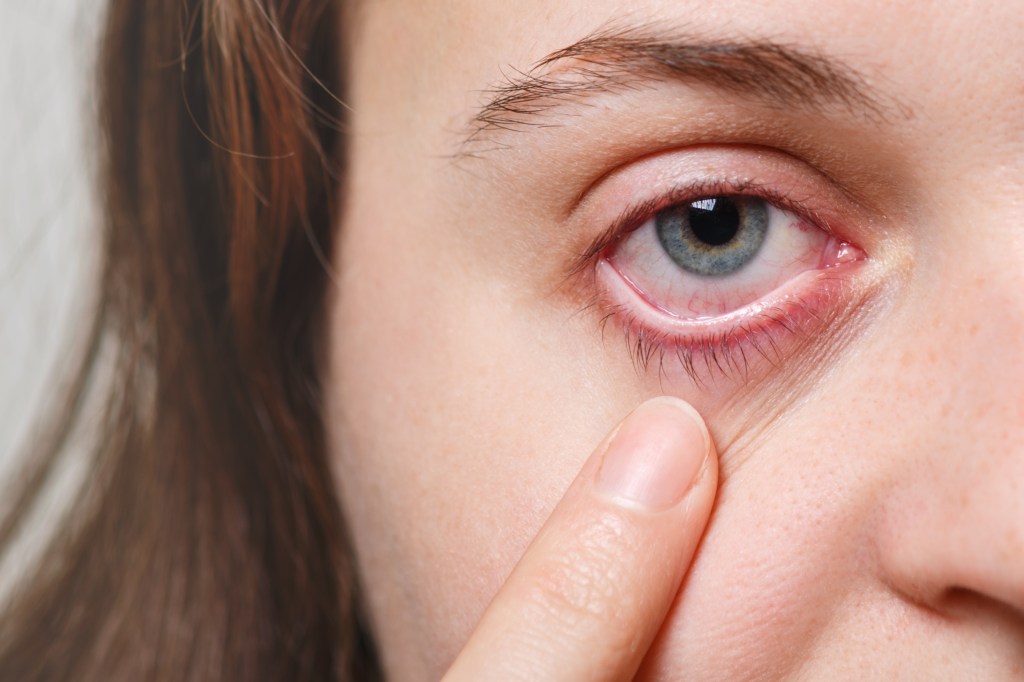
Blepharitis is a chronic, recurring inflammation of the eyelids, typically affecting both eyes. Causes include bacterial infection, poor hygiene, allergies, dandruff, meibomian gland dysfunction, and acne rosacea.
Symptoms:
- Red, swollen eyelids
- Irritation, itching, and burning sensation
- Crusting or scaling on eyelashes
- Sticky eyelids, especially in the morning
- Dry eyes or watery eyes
- Loss of eyelashes or foreign body sensation
Treatment – Eyelid Hygiene Routine:
- Warm Compresses:
Apply a hot, moist cloth to the eyelids for 5–10 minutes twice daily to melt blocked oils. - Eyelid Massage:
Gently massage eyelids with a clean finger and cotton bud to express the melted oils. - Lid Margin Cleaning:
Use a diluted cleaning solution (baby shampoo, tea tree shampoo, or bicarbonate of soda) or commercial lid cleansers (e.g., Blephasol) with clean pads to wipe along the lash lines.
Possible Complications:
- Antibiotics can be prescribed for severe or persistent cases.
- Chronic infection, conjunctivitis, loss of eyelashes, ingrowing lashes, corneal ulcers, eyelid scarring, and surgery cancellations.
- Blepharitis often recurs if eyelid hygiene lapses. Regular maintenance can prevent flare-ups. It’s not typically an emergency unless symptoms worsen significantly.
Eyelid procedures (chalazion & lesion removal)
Mrs Gupta can remove chalazion and simple eyelid lesions. If you’re not sure, fill in the booking form to see how we can help.
What is a Chalazion?
A chalazion is a small, usually painless lump that forms on the eyelid. It is caused by a blocked oil (meibomian) gland.
What Causes It?
- Blocked oil gland inside the eyelid
- More common in people with conditions such as blepharitis, rosacea, or eczema
Common Symptoms
- A visible or noticeable lump on the eyelid
- Mild tenderness or irritation, especially when it first appears
- Rarely, it may affect your vision if it presses on the eye
- Occasionally, it may become infected and more swollen
Home Treatment
Most chalazions resolve on their own. You can help the process with the following steps:
Warm Compresses
- Soak a clean flannel or cotton wool ball in warm (not hot) water
- Hold it gently but firmly against the closed eye for 5 to 10 minutes
- Repeat this 3 to 4 times a day
Massage
- After using the warm compress, gently massage the lump toward the eyelashes
- Use a clean finger or cotton bud
Eyelid Cleaning
- Clean your eyelids twice daily using warm water to remove oil and debris
- This helps prevent future cysts
When to book an appointment:
- The lump lasts for more than a few weeks
- It becomes very swollen, red, or painful
- You experience repeated chalazions
In persistent cases, a small surgical procedure under local anaesthetic can be done to remove the cyst. Ms Gupta can perform this at any of the locations here.
Complications
- Antibiotics are not usually needed
- If the eyelid becomes red, hot, and very swollen (a condition called cellulitis), seek same-day medical care
Will It Come Back?
Chalazions sometimes return, especially in people prone to them. Daily warm compresses and eyelid cleaning can reduce the risk of recurrence.
Need More Information?
If you have questions or concerns, book in to see Ms Gupta at the earliest convenience.
Cataract and cataract surgery
What is a cataract?
A cataract is when the natural lens inside the eye becomes cloudy, leading to:
- Blurred vision
- Faded colours
- Glare or halos
- Changes in glasses prescription
Causes
- Mostly age-related
- Can also be caused by diabetes, eye injuries, surgery, or long-term inflammation
Treatment
- The only effective treatment is surgery to remove the cloudy lens and replace it with a clear artificial lens (intraocular lens implant). The operation is usually performed as a day case, taking only about 30 minutes.
- You can click here to book in for an initial consultation.
Possible Complications
- Most surgeries are successful
- Risks include:
- Infection
- Bleeding
- Capsule rupture (may need another operation)
- Glare, halos, or optical effects (usually settle)
Long-Term Issues
Posterior capsule opacification (a common late complication) may require laser treatment to clear the vision again.
Diabetic retinopathy and maculopathy
What is diabetic retinopathy and maculopathy?
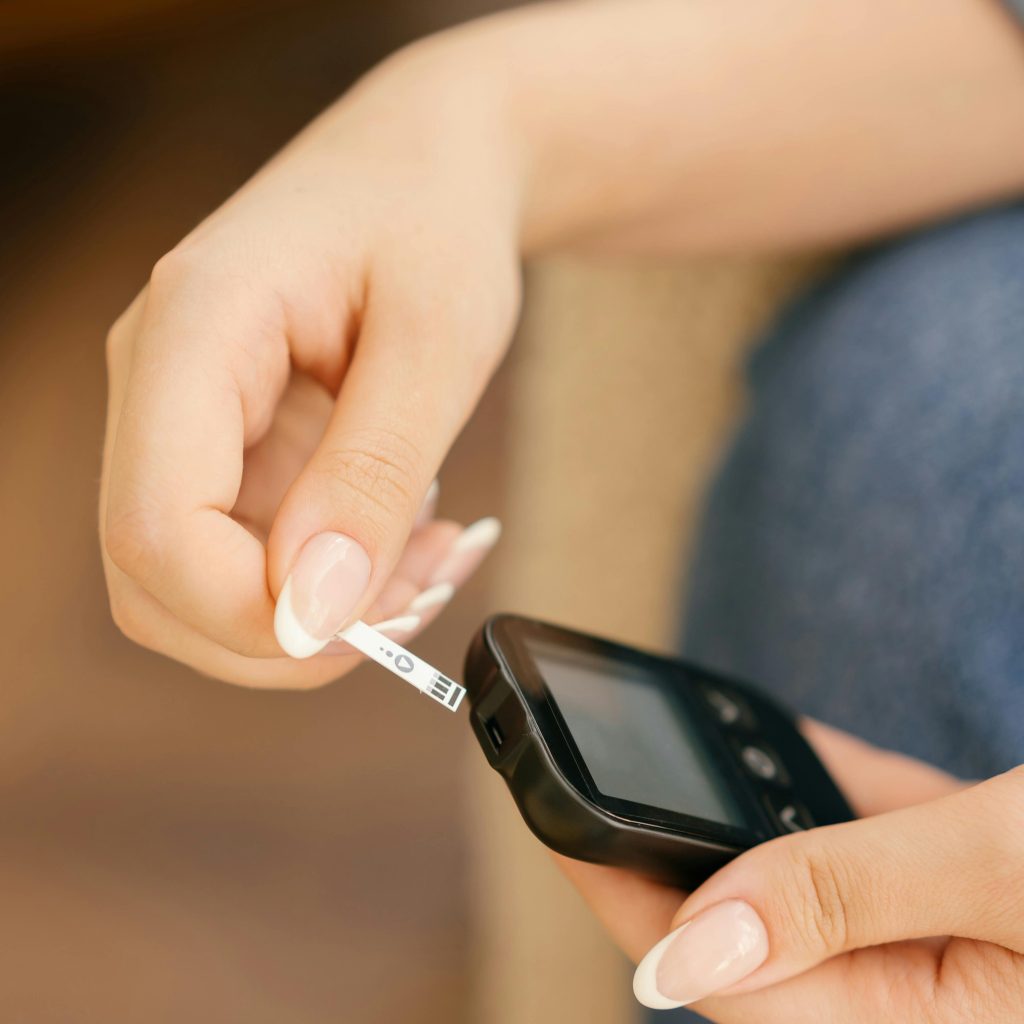
A condition where diabetes damages the blood vessels in the retina. It can:
- Start as background retinopathy (mild, no symptoms)
- Progress to proliferative retinopathy (abnormal new vessels that can bleed or cause retinal detachment)
- Affect the macula (diabetic maculopathy), causing swelling (oedema) or poor blood supply (ischaemia)
Who is at risk?
Anyone with diabetes (Type 1 or 2)
Higher risk with:
- Long-standing or poorly controlled diabetes
- High blood pressure
- Use of insulin
What are the symptoms?
Often no symptoms until serious damage has occurred. Watch for:
- Sudden vision loss
- Blurred or distorted vision
- Floaters or cobwebs in your sight
- Development of Cataracts (cloudy lens, treatable)
- Development of Glaucoma (increased eye pressure, treatable)
What are the treatment options?
- Laser therapy:
- Localised (for leaking vessels)
- Panretinal (for abnormal vessel growth)
- Injections (reduce macular swelling)
- Surgery (vitrectomy for bleeding or retinal detachment; cataract removal; glaucoma management with drops or surgery)
Struggling with your diabetic eye disease?
Click here to book an appointment to get help with:
- Diabetic eye screening
- More information about the disease and treatment options
- Preventing progression of the disease
- Accessing treatments such as intravitreal injections
Dry eye

Dry eye occurs when your eyes either don’t produce enough tears or the tears produced are of poor quality. This can result in symptoms such as:
- Soreness
- Grittiness
- Burning sensation
It’s often age-related and can sometimes be linked with conditions like arthritis.
Treatment
- Artificial tears and lubricating ointment are the main treatments.
- Drops may need to be used frequently, even hourly.
- Lubricating ointment at night can help if your eyelids stick in the morning.
- Avoid dry or smoky environments; room humidifiers can help.
- Severe cases may require specialist treatments—consult your doctor or ask for a referral.
Important Tips
- Use drops regularly; stopping may cause symptoms to return.
- Always carry your drops when travelling.
- Replace bottles/tubes every 4 weeks to prevent contamination.
- Wash hands before and after application.
General ophthalmology
??
Hydroxychloroquine retinopathy screening
What is hydroxychloroquine?
Hydroxychloroquine is a drug that is prescribed to help treat the following conditions:
- Rheumatoid arthritis
- Systemic lupus erythematosus (SLE)
- Certain skin conditions
These drugs are effective but may damage the retina (retinopathy) with long-term or high-dose use.
What Is Hydroxychloroquine Retinopathy?
A low risk but serious condition that affects the retina (light-sensitive tissue in the eye). It can cause irreversible sight loss, especially in the macula. It is more likely if:
- You’ve taken the medication for over 5 years
- You’re on a high dose
- You’re taking chloroquine (higher risk)
- You have kidney problems or are also taking tamoxifen
What Happens at the appointment?
- Lasts around 2 hours
- Includes:
- A vision test
- Short questionnaire
- Eye scans (OCT and autofluorescence)
- Eye drops will be used to dilate your pupils, causing blurred vision and light sensitivity for a few hours*
*Important: Do not drive to the appointment.
Click here to book for a hydroxychloroquine screening appointment.
Posterior lens opacification
What is Posterior Capsule Opacification (PCO)?
After successful cataract surgery, some people notice that their vision becomes cloudy again over time. This is caused by posterior capsule opacification, sometimes called a “secondary cataract”.
- During cataract surgery, your cloudy natural lens is replaced with a clear artificial lens.
- The lens sits in a clear, thin “bag” called the lens capsule.
- Over time, the back of this capsule can become cloudy, affecting your vision.
This is not a return of the cataract, but a common and treatable condition.
What are the symptoms?
- A feeling that your vision is getting worse again
- Blurred or hazy vision
- Difficulty seeing clearly in bright light
- Glare or halos
How is it Treated?
PCO is treated with a quick, painless laser procedure called YAG laser capsulotomy.
What Happens During the Procedure?
- The laser creates a small opening in the cloudy capsule.
- This allows light to pass through clearly again.
- It is a day case treatment – you go home the same day.
- The procedure usually takes just a few minutes.
You should notice a quick improvement in vision after treatment. You may need an eye check and possibly new glasses afterward.
Are There Any Risks?
YAG laser treatment is very safe. Rarely, some people may experience:
- Floaters (small dots or shapes in your vision)
- A short-term rise in eye pressure
- In very rare cases, swelling or retinal problems
Click here to book in for a YAG laser treatment with Ms Gupta.
Red eye
Retinal vein occlusions
What is a retinal vein occlusion?
The retina is the light sensitive area at the back of the eye that allows us to see. Blood is carried to this area via arteries and veins. Only one main artery and one main vein is responsible for carrying the blood to this area, although branches of these vessels help to carry blood to all parts of the retina.
Blockage of these main ‘central’ vessels is called Central retinal vein occlusion and blockages of the smaller branches is called Branch retinal vein occlusion.
What are the causes of retinal vein occlusion?
- High blood pressure
- Raised cholesterol
- Smoking
- Diabetes
- Natural ageing
What are the symptoms of retinal vein occlusion?
- Painless central vision loss tends to be the only complaint
What is the treatment?
- Aspirin can be prescribed to thin the blood to prevent a further clot
- Laser treatment – can reduce swelling within the area and may improve vision
- Intravitreal injections (injections into the inner ‘vitreous’ of the eye) to reduce swelling and try to improve vision
Worried you might have a retinal vein occlusion?
Click here to book an appointment so we can assess you as soon as possible.
 Abha Gupta - Consultant Ophthalmologist